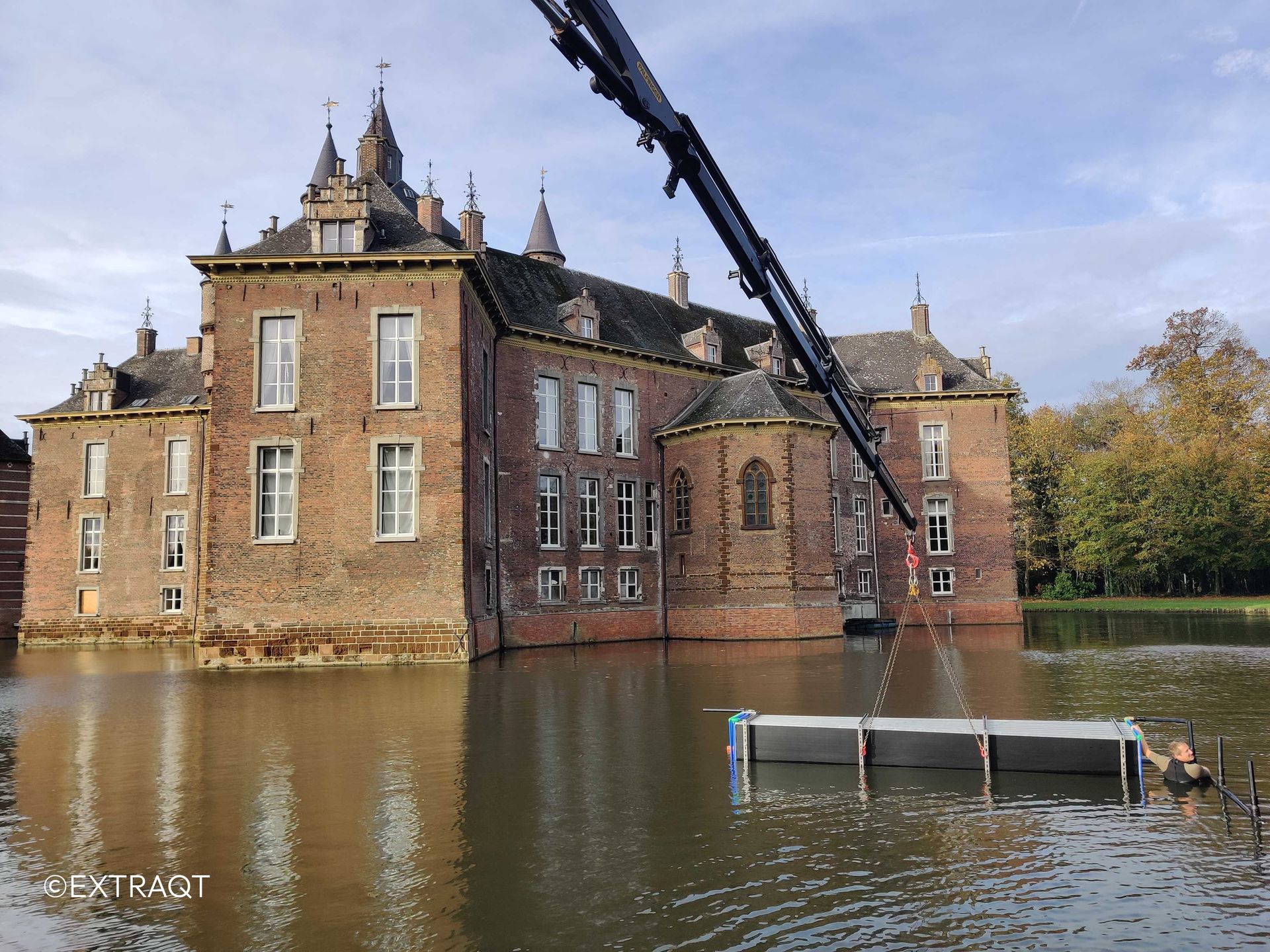
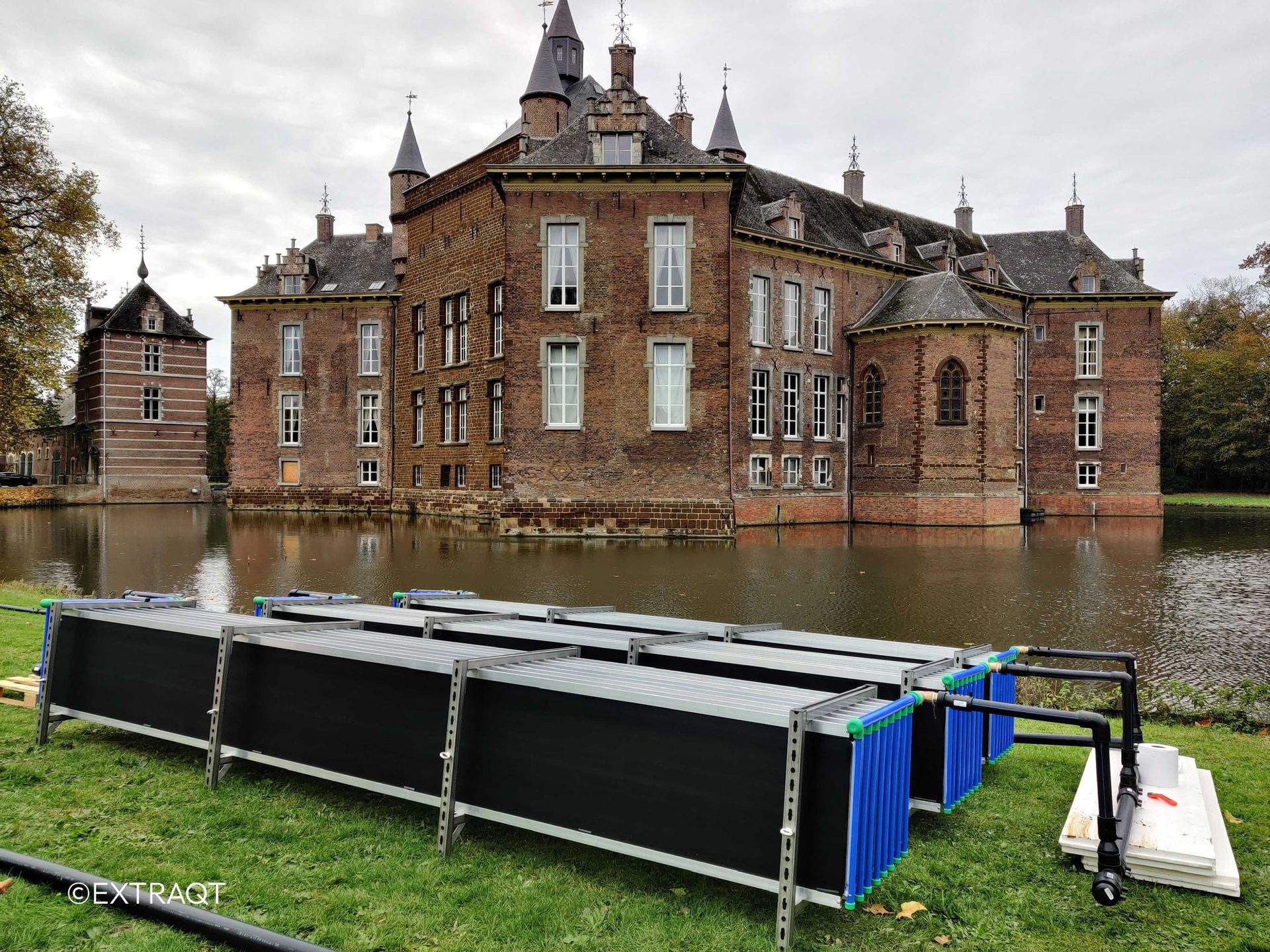
Our Belgian pilot site in Rotselaar proves that it is both possible and cost-effective to install aquathermal energy systems in existing buildings, even in heritage sites.
When considering aquathermal energy systems for heating, one of the most effective strategies is to adopt a fabric-first approach. This strategy involves improving a building’s energy efficiency as much as possible before installing or upgrading the heating system or integrating renewable technologies. By ensuring the building is well-insulated and energy-efficient, the effectiveness and efficiency of the heating system are maximised.
What is the fabric-first approach?
The fabric-first approach emphasises enhancing a building's thermal envelope - the outer shell of the structure - by improving insulation, air-tightness and ventilation. This approach reduces the demand for heating, ensuring that the building retains heat for longer periods, which ultimately results in lower energy consumption and reduced heating costs.
How aquathermal energy sytems work with a fabric-first approach
An aquathermal energy system - using water as a heat source for heat pump technology - can be integrated into any building, as long as the system is designed appropriately. However, a modern heating system should be designed with comprehensive controls that maintain healthy internal air quality. This means the system must be able to adapt to changes in temperature and provide comfortable warmth throughout the space.
When combined with a fabric-first approach, the aquathermal energy system can operate more efficiently. By improving the building's energy performance before upgrading the heating system, you reduce the frequency at which the system needs to turn on, further reducing energy use and ensuring the system remains cost-effective over time.
Tailoring the fabric-first approach to each building
It’s important to note that there is no one-size-fits-all solution for the fabric-first approach. Each building has unique needs and characteristics that require tailored upgrades. For example:
- For buildings with mass concrete walls, external wall insulation may be necessary. This will reduce the heat loss through the walls, thereby decreasing the demand on the heating system.
- For historic buildings with porous stone walls, external insulation is not suitable. These walls need to breathe to avoid moisture build-up, so alternative solutions—such as using breathable materials—should be considered.
A comprehensive assessment of the building’s structure is essential to determine the most effective energy efficiency measures. When looking at this, ensure you consult a retrofit engineer who can tailor-make the most cost-efficient solution that works for your building.
The importance of reducing heat demand for heat pump technology
When upgrading a building’s heating system, especially with heat pump technologies, the fabric-first approach becomes even more critical. Heat pumps work most efficiently when the demand for heat is minimised, which is why reducing the building's heat loss is paramount.
Heat pumps are more effective when paired with a building envelope energy retrofit. This ensures that the heat pump operates efficiently by maintaining a lower, more consistent indoor temperature.
Deep retrofitting, may include:
- Loft insulation,
- Wall insulation,
- Upgrading windows and doors,
- Floor insulation combined with underfloor heating systems,
- Replacing existing radiators with larger radiators sized to account for the lower flow temperatures of a heat pump system
- Replacing fossil fuel-powered heating systems with heat pump technology.
- Installing additional renewables to further offset energy consumption (e.g. solar PV panels).
However, not every building will need all of the above measures. Depending on the condition of the building, a selection of the above can also yield competitive results, achieving seasonal performance factors (SPF) in the range of 3.0 (50°C delivery temperature) to 5.5 (30°C delivery temperature).
The benefits of a fabric-first approach combined with aquathermal energy
- Lower heating demands: By improving insulation and air-tightness, the building’s heat loss is minimised, reducing the need for frequent heating system operation.
- Lower running costs: With reduced heat demand, the heating system runs more efficiently, leading to long-term savings on energy bills.
- Increased system efficiency: The aquathermal energy system can operate more effectively, as it doesn’t need to work as hard to achieve desired temperatures.
- Faster return on investment: By improving the building’s energy performance first, the cost of the aquathermal system is reduced, and payback time is shortened.
Practical challenges and considerations
While the fabric-first approach has numerous benefits, there are practical challenges to consider:
- Initial costs: The upfront cost of upgrading the building’s insulation or installing energy-efficient windows can be significant.
- Time and disruption: Some fabric-first measures, such as external insulation or replacing windows, can be disruptive. However, the benefits in terms of reduced energy costs and improved comfort justify the effort.
- Building-specific limitations: Heritage buildings, as mentioned earlier, may have restrictions on certain upgrades. It’s important to consult with experts who can recommend suitable methods that respect the building’s historical value.
Conclusion: Maximising efficiency with a holistic approach
In conclusion, adopting a fabric-first approach when considering an aquathermal energy system is a highly effective way to maximise energy efficiency and minimise heating costs. By improving the building's thermal performance before installing a heating system, you can reduce heat demand, lower running costs, and make the project more financially viable in the long term.
The fabric-first approach should be tailored to each building’s specific needs, with a comprehensive assessment to determine the most appropriate solutions. Once the building envelope is optimized, integrating technologies like heat pumps or aquathermal energy systems becomes much more efficient, ensuring a comfortable indoor environment with minimal energy consumption.
By following this strategy, building owners can achieve sustainable, cost-effective heating solutions that not only benefit the environment but also provide long-term savings.